Stonger Together: Beyond Hispanic Heritage Month
In her latest column, Rev. Fabiola Grandon-Mayer reflects on the Northern Illinois Conference’s Hispanic/Latinx ministries and the importance of celebrating and supporting these…
As I make my rounds, I have been reflecting on some New Testament images for Christian living and leadership: salt, leaven, and light. I have been thinking about how salt, leaven, and light are nonviolent and collaborative. They are change agents and part of the whole being changed. They allow themselves to be vulnerable to share their presence for good.
All suggest that God’s nearness is a catalyst, that God’s presence is among us as a change agent. In this year of practicing hope I have been asking people to share with each other the scriptures and images have been grounding their practice of hope.
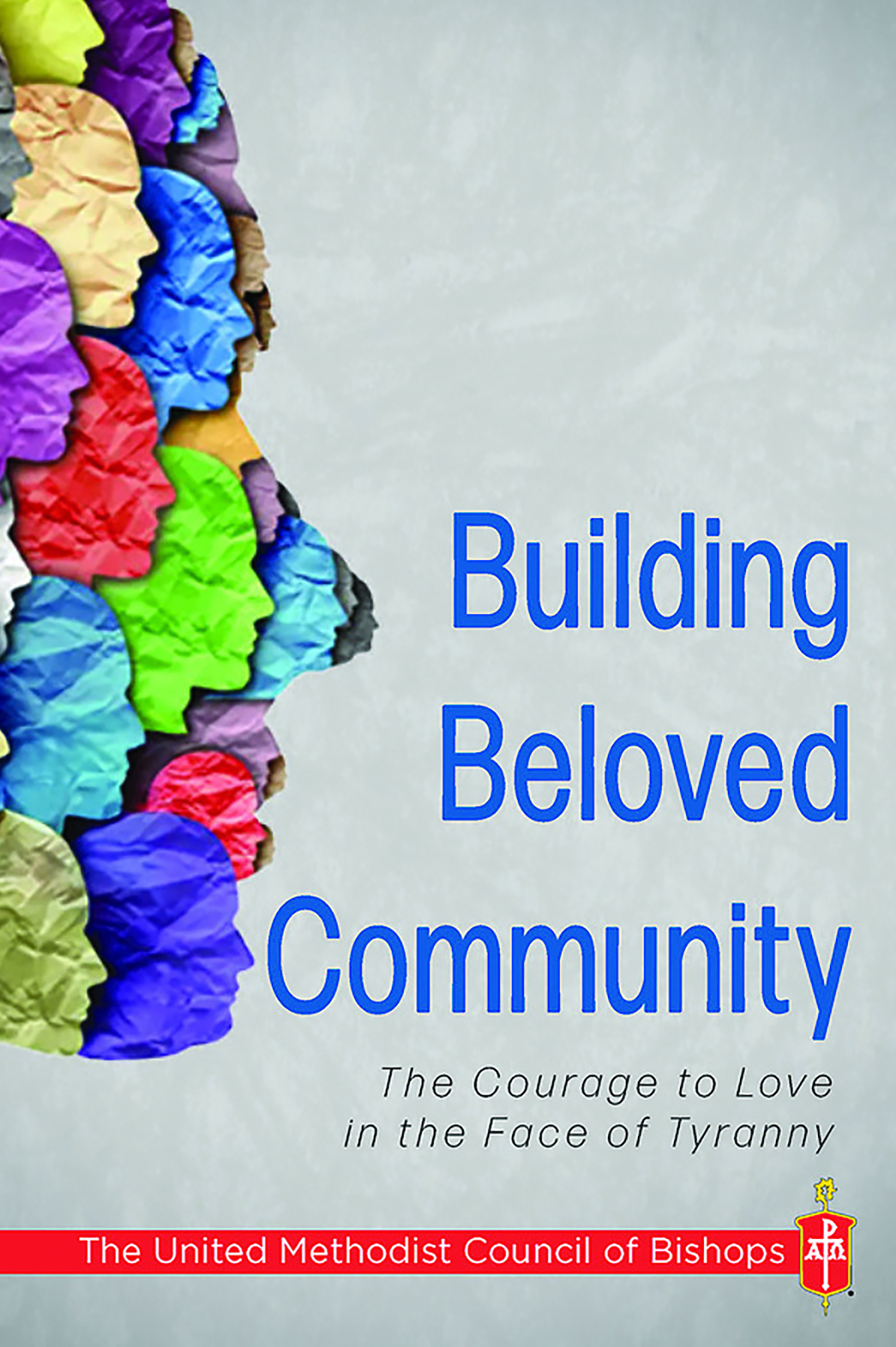
I have also been teaching from a book prepared by the Council of Bishops and published by the United Methodist Publishing House: Building Beloved Community.
As people pray their way through Lent and scroll through their daily news feeds, I thought I would offer a section of the book from pp. 16-17 that reminds us of the way the gospels frame the use of authority.
"When Jesus spoke of authority, he consistently connected it to service, love, and the advancement of God’s reign. Biblical authority is always exercised for the benefit of others, particularly the most vulnerable. Biblical authority heals, liberates, feeds the hungry, and includes the marginalized. God’s authority is always tempered by love and is therefore fundamentally different from the authoritarianism we see in political movements today.
True authority, rooted in God’s character, can be recognized by its fruits; it
God’s authority flows from love and seeks to build up beloved community. Authoritarianism flows from fear and the desire to control."
How is authority rooted in God’s character needed now? In this moment when some populations are feeling more vulnerable, what does it mean to practically love our neighbors? How might learning how to love our neighbor change the divisiveness among us? How might recognizing biblical uses of authority help us spot bullying in our institutions and mobilize bystanders into those who stand with the bullied?
More particularly, I offer this section from our Book of Discipline:
"We affirm that every form of government stands under God’s judgment and must therefore be held accountable for protecting the innocent, guaranteeing basic freedoms and liberties, protecting the natural world, and establishing just,
equitable, and sustainable economies." (Social Principles, Book of Discipline 2020/2024, p. 135; ¶ 163)
I was listening to one of our pastors reflect theologically on the Lord’s Supper. He was saying that just walking up to the communion table and preparing the heart is an act of vulnerability. He needed to ask how his life did harm and how might God be calling him to greater love. The pilgrimage to the table is not one of fortifying our positions and finding confirmation of our prejudices. For Wesley, we are always moving in the orbit of love, and by grace, growing in love.
I pray you have a holy Lent, one tempered by love and authority given to building beloved community.
In her latest column, Rev. Fabiola Grandon-Mayer reflects on the Northern Illinois Conference’s Hispanic/Latinx ministries and the importance of celebrating and supporting these…
United Methodists and Muslim neighbors gathered Oct. 13 at Barrington United Methodist Church for the annual Methodist-Muslim Dinner, themed “Hope in Action: Standing Together Against Hate and…
The Northern Illinois Conference is accepting Equitable Compensation applications for the final 2026 disbursement and for the 2027 grant cycle. Churches and charges with a full-time…
Facebook business-page changes may affect how NIC churches share links to external websites, event registrations and ministry resources. Learn how your church can adapt its…