Stonger Together: Beyond Hispanic Heritage Month
In her latest column, Rev. Fabiola Grandon-Mayer reflects on the Northern Illinois Conference’s Hispanic/Latinx ministries and the importance of celebrating and supporting these…
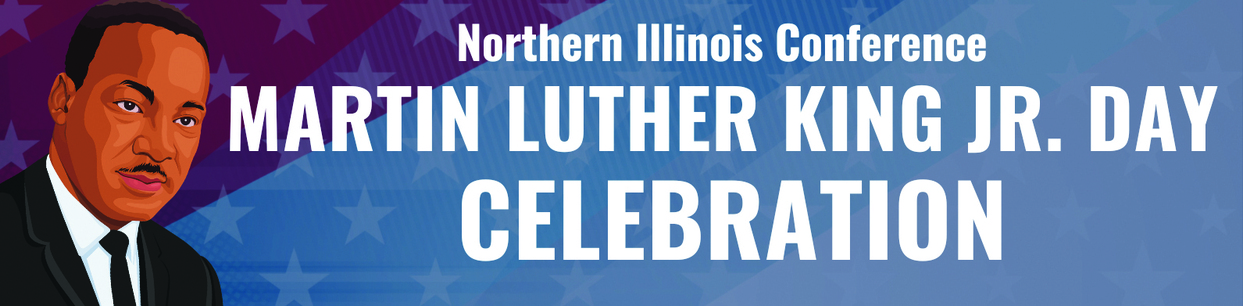
2:30 p.m.
Trinity UMC in Mt. Prospect
605 W. Golf Road, Mt. Prospect
Cost: Free
Theme: Voices from the Past, Leading us into the Future
Join us in celebrating Dr. Martin Luther King Jr. with prayers, testimonies, music, guest speaker Rev. Dr. Charles A. Woolery Sr., and a light supper afterwards. For further details and registration, visit here.
The drum major for justice, the Rev. Dr. Martin Luther King Jr., preached until his assassination in 1968 that America was—and still is—threatened by a three-headed monster: militarism, racism, and poverty. Were Dr. King alive today, he would refuse to be reduced to a yearly sound bite, endlessly recycled and safely centered on his 1963 “I Have a Dream” speech. That speech is celebrated because it is inspiring without being disruptive. Yet Dr. King’s later message—especially his critique of war, economic exploitation, and systemic injustice—remains inconvenient and largely ignored.
Dr. King was ahead of his time. As with most prophets, he was not fully appreciated while he lived. His theology and moral philosophy continue to resonate most deeply with those committed to truth, justice, and love. They also trouble a nation that prefers comfort over conversion.
A powerful poem often used to memorialize Dr. King captures this tension. Carl Wendell Hines Jr.’s “A Dead Man’s Dream”—originally written in honor of Malcolm X—includes these powerful lines:
Now that he is safely dead,
Let us praise him.
Build monuments to his glory…
Dead men make such convenient heroes…
It is easier to build monuments
Than to build a better world.
The poet exposes a sobering truth: America has a habit of honoring its heroes symbolically while refusing to live by their convictions. It is easier to establish holidays and erect monuments than to embrace the radical moral demands those leaders placed upon society. There is a deep hypocrisy in celebrating Dr. King with a national holiday while resisting the very vision for justice that made him a target in the first place.
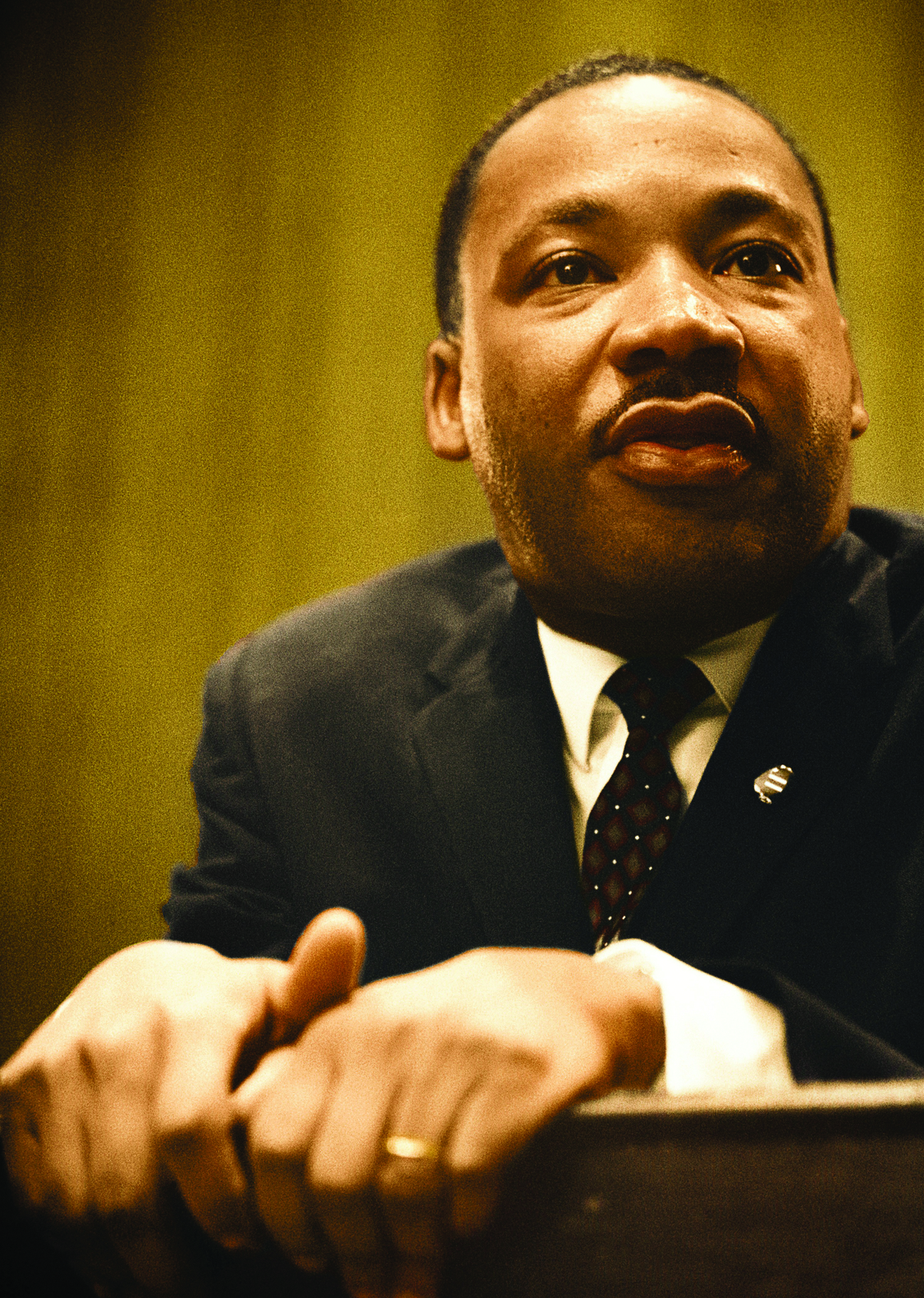
Dr. King dreamed of a nation where a person’s worth was not determined by skin color or economic status but by character and humanity—where America’s caste system would be dismantled rather than defended. His words still challenge us because the work remains unfinished.
The church must claim Dr. King unapologetically because he was shaped by the Black church and spoke from its prophetic tradition. It is the church’s responsibility to protect his legacy from being diluted, sanitized, or co-opted by corporate and political interests. Dr. King’s witness remains disruptive because it calls us not to admire monuments, but to do the hard work of building a better world.
In her latest column, Rev. Fabiola Grandon-Mayer reflects on the Northern Illinois Conference’s Hispanic/Latinx ministries and the importance of celebrating and supporting these…
United Methodists and Muslim neighbors gathered Oct. 13 at Barrington United Methodist Church for the annual Methodist-Muslim Dinner, themed “Hope in Action: Standing Together Against Hate and…
The Northern Illinois Conference is accepting Equitable Compensation applications for the final 2026 disbursement and for the 2027 grant cycle. Churches and charges with a full-time…
Facebook business-page changes may affect how NIC churches share links to external websites, event registrations and ministry resources. Learn how your church can adapt its…